
“`html
How to Add Pops of Color to a Neutral Wardrobe
Neutrals are the backbone of many wardrobes, offering versatility and timelessness. However, infusing your wardrobe with pops of color can elevate your style, making it more vibrant and expressive. In this guide, we’ll explore the benefits of incorporating color, delve into the basics of color theory, and provide practical tips on how to seamlessly integrate hues into your outfits. From choosing the perfect color palette for your skin tone to experimenting with statement pieces and accessories, this article will equip you with the knowledge to transform a neutral wardrobe into a colorful and cohesive ensemble that reflects your personality.
Why Incorporate More Color Into Your Wardrobe?
Incorporating more color into your wardrobe can significantly impact your mood and self-expression. Colors have psychological effects and can evoke various emotions; for example, bright colors can lift your spirits and boost your confidence, while pastels can create a calming effect. Integrating color into your wardrobe allows you to communicate personality traits and preferences, making your style more authentic and unique.
Furthermore, adding color introduces variety and interest into your everyday outfits. If your current wardrobe leans heavily on neutrals like black, white, beige, or gray, incorporating colors can refresh your look and prevent outfit monotony. This change promotes wardrobe flexibility, allowing you to mix and match with greater freedom, ultimately extending the life and versatility of your clothing collection.
Understanding Color Theory
Color theory is a fundamental aspect of understanding how different hues interact and complement one another. At its core, color theory involves the color wheel, which illustrates the relationships between primary, secondary, and tertiary colors. By learning how to use the color wheel, you can create harmonious outfits that work well together.
Color schemes are important when defining a color palette. Common schemes include analogous (colors next to each other on the wheel), complementary (colors opposite each other), and triadic (three equidistant colors) combinations. Understanding these schemes aids in making informed decisions about which colors to blend in your wardrobe, enhancing both aesthetic appeal and personal impact.
Different Ways to Incorporate Colors Into Your Neutral Wardrobe
1) Find the Right Color Palette for Your Skin Tone
The first step in incorporating pops of color is identifying a color palette that complements your skin tone. Skin tones are generally categorized into three groups: cool, warm, and neutral. Cool tones pair well with colors like blues, purples, and pinks, whereas warm tones favor colors such as yellows, oranges, and reds. Neutral tones have the versatility to match a broad spectrum of shades.
To determine your skin tone, examine the veins on your wrist; bluish veins typically indicate a cool tone, while greenish veins suggest a warm tone. Once you identify your complexion, experimenting with different color combinations becomes easier, enabling you to curate a palette that enhances your natural features and harmonizes with your existing wardrobe.
2) Add Color to Your Wardrobe Through Accessories
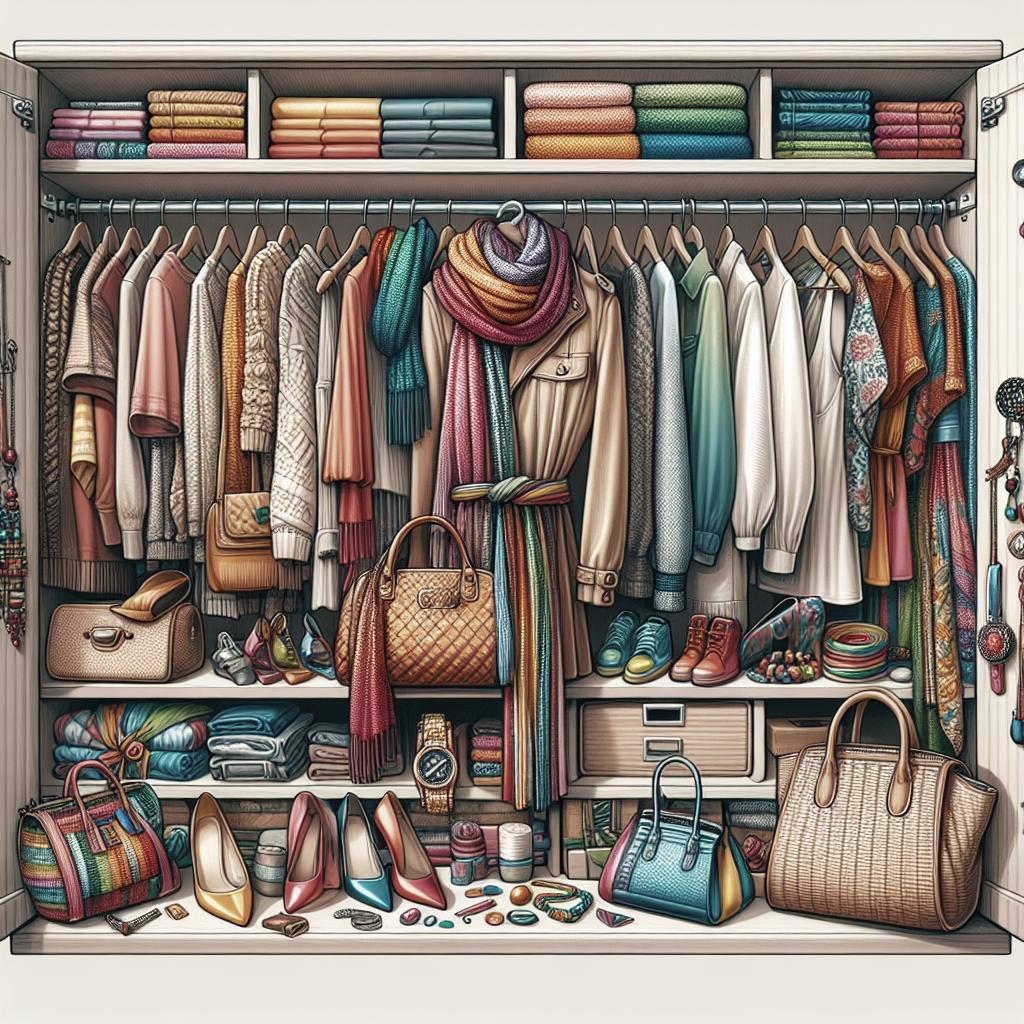
Accessories are an excellent way to introduce color without overwhelming a neutral wardrobe. Items like scarves, hats, belts, and jewelry can add vibrancy to an otherwise monochrome outfit. By strategically selecting accessories in shades that match or coordinate with your color palette, you can subtly and effectively enhance your look.
Additionally, shoes and handbags provide more opportunities to add color. Opt for bold or patterned choices that make a statement without clashing with your outfit. This method offers a flexible, low-commitment approach to infusing color, allowing you to adapt your style easily and seasonally.
3) Incorporate Statement Pieces Into Your Neutral Outfits
Statement pieces are impactful clothing items that instantly draw attention due to their color, pattern, or design. Introducing a bold jacket, top, or pair of trousers can transform your outfit and showcase your personality. The key is to allow the statement piece to stand out by pairing it with neutral garments that won’t overpower it.
When selecting statement pieces, focus on quality and fit to ensure they remain a valuable part of your wardrobe. A well-chosen statement piece can provide the basis for numerous outfit combinations, acting as a focal point in otherwise neutral ensembles and encouraging a creative approach to styling.
4) Mix and Match Colors for a Bold Look
For those who are more adventurous, mixing and matching colors can result in an eye-catching and stylish appearance. By combining different colors within the same outfit, you can highlight your creativity and fashion-forward thinking. The secret to a successful mix lies in maintaining balance and cohesion by matching either complementary or analogous colors.
Explore color layering by incorporating shades that vary in intensity, such as pastels with deeper hues. This technique ensures that colors enhance rather than compete with one another, achieving a bold yet harmonious look. Over time, practice strengthens your confidence in experimenting, allowing you to craft striking outfits that capture attention for all the right reasons.
5) Experiment With Different Textures and Patterns
Combining textures and patterns with color adds depth and dimension to your outfit. Patterns such as stripes, checks, or florals in bright colors can serve as focal points, drawing attention and injecting energy into your look. In contrast, subtle patterns or textured fabrics like knits or lace add intrigue without overwhelming your ensemble.
When experimenting with textures and patterns, aim to mix them judiciously to avoid a chaotic appearance. Choose patterns that incorporate colors from your established palette, and use them sparingly to highlight specific areas. This approach ensures your outfits appear intentional and stylish, offering variety and visual appeal through the creative use of color.
Tips for Creating a Cohesive Color Scheme
A cohesive color scheme is essential for a seamlessly integrated wardrobe. Start by selecting a few anchor colors that are constant across your collections, such as deep blues, earthy tones, or classic reds. These can then be paired with other colors to create variety while maintaining visual harmony.
Consider incorporating neutrals as a grounding element to balance bolder colors, allowing you to adjust the intensity according to your preference. If you feel uncertain about a specific combination, trust the classic schemes offered by color theory, using these as guides in creating balanced and visually appealing outfits.
Summary of Main Points
| Topic | Details |
|---|---|
| Benefits of Color | Incorporates mood enhancement, self-expression, and wardrobe variation. |
| Color Theory | Understanding primary, secondary, and color schemes enhances outfit harmony. |
| Skin Tone Palette | Identify the right colors based on cool, warm, or neutral undertone. |
| Accessories | Integrates color subtly through scarves, hats, belts, shoes, and bags. |
| Statement Pieces | Implements bold garments to serve as focal points in neutral outfits. |
| Mixing Colors | Combines hues for a bold look using complementary or analogous schemes. |
| Textures & Patterns | Adds dimension and interest with judicious use of fabric variety. |
| Cohesive Scheme Tips | Maintains harmony using anchor colors and adhering to color theory. |
“`